
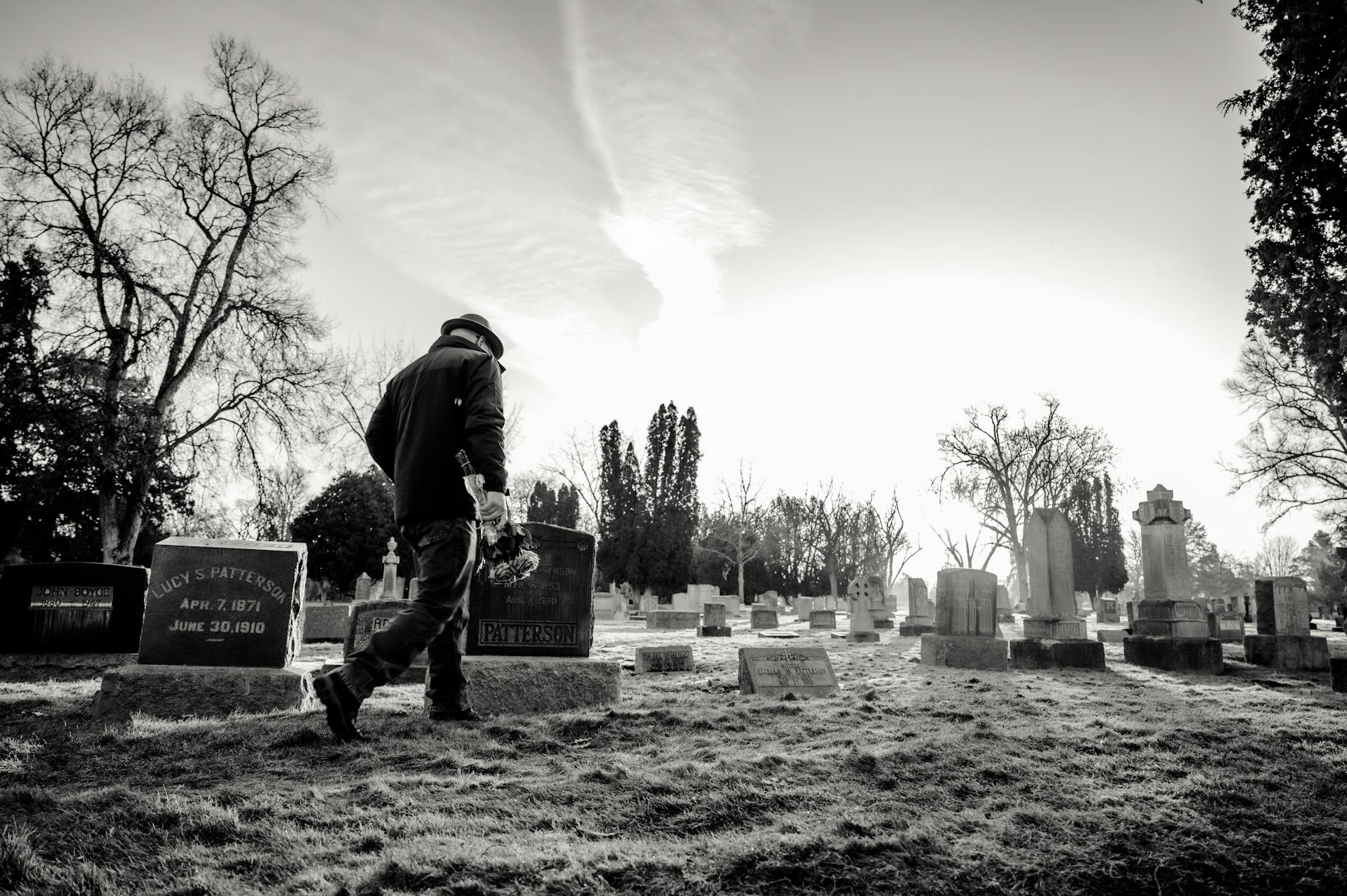
Every writer has a graveyard.
Obviously, this isn’t a physical place. It’s a digital one cluttered with half-written drafts, blog posts that “weren’t ready,” and ideas that felt brilliant at midnight, but died in the light of day. The graveyard of unpublished essays, abandoned outlines, and just-needed-one-more-edit files grows quietly in the minds of content creators over the years.
Even so, these ghosts of past projects can teach us more than anything our successes can provide.
From my experience, here’s what the graveyard of your writing has to tell you. And, more importantly, how to use it to become a sharper, more confident creator.
1. The Graveyard Reveals What You Really Care About
Even years later, the drafts you keep returning to matter. They represent themes and ideas that won’t let you go. Perhaps you’ve tried writing about burnout five times, or maybe you keep getting back to creativity and productivity.
This isn’t a coincidence. It’s like the bat signal shining over Gotham when there’s a new threat.
These half-finished pieces reveal your deeper interests – the subjects that intrigue you, make you think, and make you want to explore more. Instead of seeing them as failures, turn them into creative compasses.
Go through your old drafts and look for patterns.
- What topics repeat?
- What tone or emotion shows up most often?
- What do you abandon vs. what do you obsessively tweak?
You can use those clues to define your true creative voice – not one shaped by trends, but one shaped by curiosity.
2. Unpublished Doesn’t Mean Useless
Even if something wasn’t published, it still has value. There are times when a piece doesn’t fit the moment – but that doesn’t mean it won’t in the future.
Over the years, I’ve re-visited pieces and realized they weren’t bad – just too early. The timing wasn’t right, or I wasn’t experienced enough to write them properly.
You can reimagine old work by recycling it. It might be helpful to write the following blog post if it didn’t land:
- A newsletter essay
- A short LinkedIn post
- A Twitter thread
- A video script
- Or a completely different piece with the same core insight
Often, a good idea just wasn’t put into the right form. As raw material, the graveyard is full of potential.
3. The Graveyard Reminds You That Perfectionism Kills
It might be perfectionism that’s causing your drafts folder to look more like a cemetery than a library.
Refinement is often confused with paralysis by many creators. As you polish, tweak, cut sentences, and add sources, you lose the spark that made the piece exciting in the first place. You tell yourself, “It just needs another pass,” but really, it just needs to be released.
Perfectionism is fear disguised as professionalism.
The fear of being wrong, the fear of being judged, the fear of not being good enough. However, perfection doesn’t exist in creative work – especially online, where the conversation changes every day.
Posts, no matter how edited, are snapshots of what you are thinking at the time. You should publish it anyway. Growth doesn’t happen in drafts; it happens in public.
4. The Graveyard Holds Your Hardest Lessons
Friction is often the cause of unfinished work – a sign that you hit a wall, lost momentum, or couldn’t clarify your goals. Rather than ignoring it, dissect it.
Ask yourself:
- Where did I stop writing, and why?
- Was it because I ran out of time, confidence, or clarity?
- Did I get lost in research instead of writing?
- Or did I lose interest halfway through?
By answering these questions, you can gain a better understanding of your creative weaknesses. It may be that you over-research before you write. Perhaps you don’t outline enough. It’s possible that you lose faith when the draft becomes messy.
Unfinished posts reflect your habits. If you want to improve, you have to study them as if you were rewatching your own game tapes.
5. Editing Is Where Resurrection Happens
In many cases, what seems to be a dead draft can be brought back to life with the right editing tools and a fresh mindset.
Whenever I revisit old pieces, I start by removing the fluff and rereading with curiosity rather than judgment. To tighten my language and experiment with tone or structure, I use tools like Grammarly and Wordtune.
- I use Grammarly to identify technical errors and awkward phrasing that cloud my ideas.
- When a draft feels stiff, Wordtune is great for rephrasing sentences.
Tools for editing are not crutches, but mirrors. As a result, they reveal blind spots, patterns, and missed opportunities. With their strategic use, old drafts can be transformed into living, breathing works again.
It’s okay if a piece still doesn’t feel ready. When inspiration strikes, save the polished version in a separate folder labeled something like “Almost There.”
6. The Graveyard Proves You’re Growing
Unfinished posts are evidence of motion. For whatever reason, you tried something new – a voice, a structure, a topic. But that’s how creativity evolves.
When you look back on your old drafts and cringe, that’s not failure – that’s progress. It’s normal to grow out of your early ideas. When you look at your past work, you should think, I can do better now.
There’s no real danger in having a graveyard full of drafts. Your failure is in letting your fear of failure hinder you from adding to it.
Don’t stop experimenting. Don’t stop starting. It’s okay to bury the bad drafts if you must – it means you’re still writing.
7. The Graveyard Is Never the End
Ironically, nothing stays dead forever in the writer’s graveyard. Like Dr. Frankenstein, you can always return to an idea, dig it up, and resurrect it. There’s a good chance that you’ll publish some of your best content later by repurposing content you once abandoned.
By revisiting your old work with fresh eyes, humility, and more powerful tools, you will realize that no draft is truly wasted. Every unfinished thought, every deleted paragraph, every false start is a breadcrumb along your creative journey.
Graveyards aren’t failures; they are archives of progress.
Final Thought
For content creators, success often has to do with what we publish – what gets shared, clicked, or traction. There is just as much value in unpublished work as published work. As you refine your voice, take risks, and build resilience, you find your voice.
So, next time you feel guilty about scrolling through your drafts folder, remember: those pieces aren’t gone forever. They’re waiting.
Listen closely, and you’ll find out exactly what kind of writer you are becoming.