
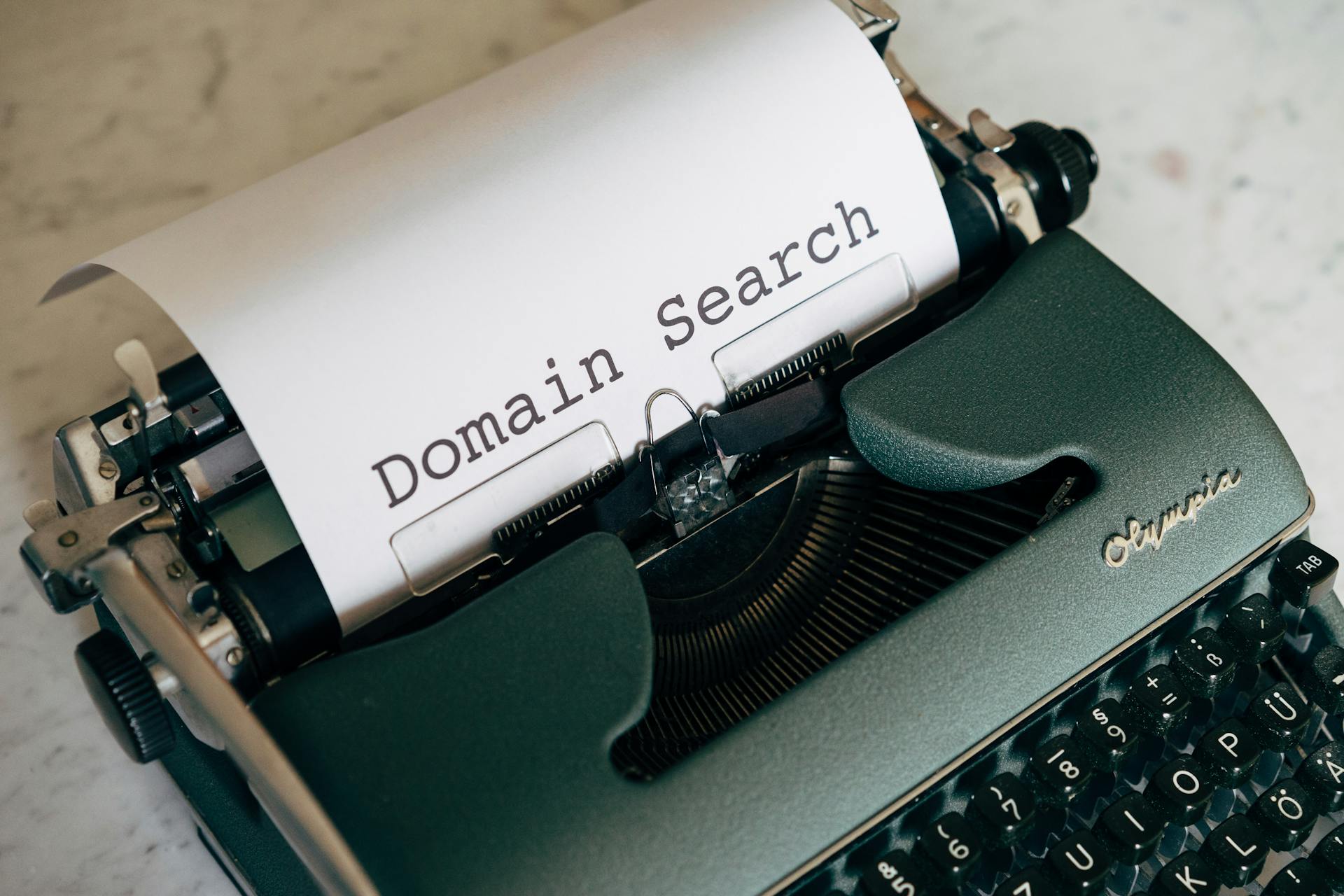
We all know that having a website is non-negotiable these days. Your domain is your digital home, whether you’re building a personal brand, launching a startup, or putting your portfolio online for the first time. The problem is that it’s becoming increasingly difficult to register a domain name that is memorable, short, and punchy.
Apparently, Wix thinks so too. That’s why they’ve been running an ad campaign showcasing “available” domains like australiasntreal.org or targetwalmartcostco.com.
I’ll be honest: these ads piss me off.
Who would actually want these corny domain names? Sure, you could probably find a niche for them if you tried hard enough. You could build a conspiracy theory parody site with the Australia domain, or maybe some weird affiliate aggregator with the retail mashup. But even that sounds like a stretch.
In other words, there’s a reason these domains are still available. They’re lame. Why would anyone visit a brand-infused site like microsoftapple.com? Besides being confusing, it’s clunky, and it smells like a “get rich quick” flipping scheme that hasn’t worked since 2004.
If you want to build something that lasts, ignore the gimmicks. Choosing a domain name is a critical branding step; it’s your first impression and determines how discoverable your site will be over time. Instead of buying “joke” domains, here is how to approach the process.
Essential Naming Guidelines
Before getting carried away with the “creative” side, stick to the basics. A domain name isn’t just a web address; it’s a functional tool as well.
Keep it short and sweet.
Choose a name that is easy to type, pronounce, and remember. Experts recommend staying between 6 and 14 characters. Longer names are more likely to result in 404 pages — or worse, on a competitor’s page. Ideally, your domain should be your name or the name of your business.
The “radio test.”
Any domain must pass this litmus test. Would people know how to spell your domain name if you said it on the radio (or on a podcast)?
You should avoid using slang and words with multiple spellings, such as “u” instead of “you.” If you have to spend thirty seconds explaining how to spell your URL, you’ve already lost. Whenever it comes down to it, clarity always beats cleverness.
Avoid numbers and hyphens.
Users won’t know if you mean “4” or “four,” and hyphens often make a site look untrustworthy, spammy, or like a cheap knockoff of the original brand. Your best bet is to go back to the drawing board if the domain you want requires a hyphen.
Prioritize .com.
We live in an era of .ai, .io, .net, and .org. Although these are becoming more acceptable, the public still has a built-in “muscle memory” for .com. It remains the gold standard. Instead of switching to an obscure extension that people will forget, I suggest slightly editing the name (adding a verb or a prefix) if the desired .com is already taken.
Strategic Considerations
Once you’ve got the basics down, you need to think about the “why” of the name. In this case, you need to have a long-term strategy.
Brand vs. keywords.
- Branded domains. They are unique and memorable (think Google or Amazon). Although they don’t necessarily tell the user what you do, they allow you to establish a distinct identity.
- Keyword-rich domains. They tell users and search engines exactly what the site is about (think BuyCheapShoes.com).
In most cases, a blended approach works best. As a consultant, for example, [YourName]Consulting.com lets you personalize your brand and signal your industry.
Think long-term.
Choose a name that will grow with you. Too specific domains have pigeonholed creators. When you start a blog about “Blue Widgets,” and you eventually want to sell red ones or offer widget repair services, BlueWidgets.com becomes a liability. Rather than just naming your current task, pick a name that represents the “umbrella” of what you do.
Check availability everywhere.
In content creation, consistency is key. If you’re thinking about buying a domain, use a tool like Namecheckr first. You want to ensure that the matching social media handles (Twitter, Instagram, LinkedIn, TikTok) are available. The worst thing is having a domain but having to use a different handle on the platform where you actually promote your work.
Avoid legal issues.
Be careful not to play “cute” with established brands. Use the USPTO database to research potential trademarks. TargetWalmartCostco domains aren’t just corny; they’re a fast track to a Cease and Desist letter. It would be a shame to spend three years building authority on a site only to have a corporate legal team take it away for violating their rights.
Helpful Tools for Brainstorming
Don’t panic if you’re staring at a blank screen. Wix ads aside, there are plenty of resources that are actually useful.
Domain generators.
If you’re stuck in a creative rut, these tools can provide you with ideas:
- Instant Domain Search. You can see what’s available as you type in real-time.
- Dotomator. This is excellent for finding unique prefixes and suffixes.
Reliable registrars.
When you’re ready to secure your domain, choose a registrar that offers transparent pricing and good customer service. Among the most common platforms are:
The Bottom Line
One of the few pieces of digital real estate you own is a domain name. It’s your identity. Avoid buying “random” or “funny” domains just because they are marketing gimmicks. It’s not.
Keep it short, make sure it passes the radio test, and build it on a .com. Keep the australiasntreal.org domains for trolls and people who aren’t serious about their work. Choose a name that reflects the brand you want to build.
FAQ
1. Is it worth buying an expired domain?
It is possible, but it is risky. In addition to having existing SEO “authority,” expired domains might also have a history of spam or manual penalties from Google. Be sure to check the domain’s history on the Wayback Machine before purchasing it.
2. Should I buy multiple extensions of the same name?
To prevent others from squatting on your .com, buy the .net and .org versions for the same price as your .com. When you’re just starting, it’s not strictly necessary.
3. What should I do if my perfect domain is taken?
Try adding a “modifier.” If AlbertCostill.com were taken, I might have looked for something like AlbertCostillMedia.com. It keeps the .com extension without sacrificing the core brand.
4. How much should I expect to pay for a domain?
It usually costs between $10 and $20 per year to register a standard .com domain. When a domain is listed for thousands of dollars, it is being sold on the “aftermarket” by a broker.
5. Can I change my domain name later?
Yes, but it’s a headache. You’ll have to set up 301 redirects on every single page to maintain your SEO rankings, and you’ll probably lose some brand recognition. It’s better to get it right from the start.